The Long Way Round: Why Britain’s Quiet Lanes Are the Real Caravanning Adventure
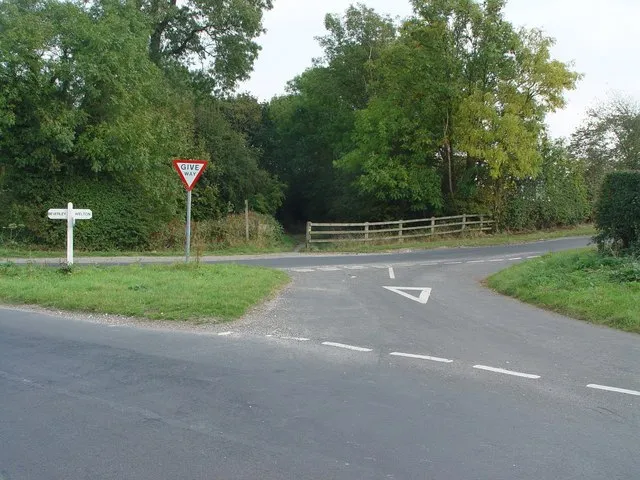
Photo: Peter Church, CC BY-SA 2.0, via Wikimedia Commons
There is a moment on every caravan trip when the motorway stops being a road and becomes a corridor. The services look the same, the signage looks the same, and the journey becomes a countdown of junctions. You arrive at the site having seen nothing but tarmac and the back of a lorry. It works, of course. But it is not why most of us bought a caravan.
The real caravanning adventure is usually one junction earlier, or several junctions to the left. It is the B-road that dips between hedges, the village that appears around a bend, the lay-by with a view over a valley you have never heard of. In 2026, with traffic levels creeping back up and campsites busier than ever, there is a strong case for taking the long way round.
Why the motorway mindset misses the point
Motorways are brilliant at one thing: covering distance. If you have a long haul from the Midlands to the Scottish Highlands, the M6 is your friend. But for a weekend, a short break or a shoulder-season tour, the motorway can strip the pleasure out of the journey. Caravanning is not just about the destination pitch. It is about the rhythm of towing, the cup of tea in a lay-by, the decision to stop because a village looks interesting.
Quiet lanes suit caravanners who are not in a rush. They suit retired couples who would rather do three hours of gentle towing than two hours of stressful overtaking. They suit families who need a playground stop and a picnic table rather than a motorway service station. And they suit anyone who suspects that Britain looks better at 40mph than it does at 70mph.
The Yorkshire Wolds: a three-day slow route
The Yorkshire Wolds are a good antidote to the motorway habit. This is chalk country south of the North York Moors, all dry valleys, big skies and lanes that seem to have been drawn with a pencil. It is less celebrated than the Dales or the Moors, which is exactly why it works for a quiet caravan break.
Day one - Pocklington and the hidden valleys
Set up base at a quiet Certificated Location or small site near Pocklington or Malton. Once you are pitched, unhitch and take a short run on the B1246 towards Thixendale. The lanes are narrow in places, so this is a route to drive without the van if you are new to towing, or to tow only if you are confident and have checked the road width. Thixendale is a tiny village wrapped around a valley, with walks straight from the lane. Back at the site, dinner is local sausages and a map on the table.
Day two - Sledmere, Driffield and the edge of the coast
Tow east on the B1246 and A166 towards Sledmere, then pick up the B1253 towards Bridlington. This is proper Wolds driving: long views, sudden dips, farm traffic and villages that reward a slow pace. Sledmere House is worth a stop if you have time, and Driffield is a sensible lunch halt. Push on to a site near Bridlington or Burton Fleming for the night. Keep the day short. The point is not to tick off miles.
Day three - Bridlington and Flamborough
Leave the caravan at the site and take the B1255 towards Flamborough Head. The sea views arrive suddenly, which is the best way. Walk the cliff path, buy an ice cream if the weather is kind, and enjoy the fact that you have reached the coast without once joining a motorway. Then hitch up and take the quiet way home, or extend the trip if the forecast is good.
Towing tips for quiet lanes
Quiet roads are not automatically easy roads. Narrow sections, blind bends, tractors and cyclists all demand attention. Plan your route with a caravan-specific sat nav or a good paper map, and check for width restrictions and low bridges. Avoid arriving after dark if you are new to a site; reversing in daylight is far less stressful.
Keep your speed sensible. B-roads may be national speed limit, but that does not mean your outfit should be. Leave a bigger gap than usual, use pull-ins to let queuing traffic pass, and do not block a lane while you check a map. If you are towing with children aboard, plan a stop every hour or so. If you are retired and touring midweek, start later and avoid the school run and farm rush.
Finally, remember that the journey is part of the holiday. A slower route does not mean a worse one. It means you arrive with something to talk about besides the traffic.