Pitchcraft for Caravanners: Reading the Grass Before You Reverse
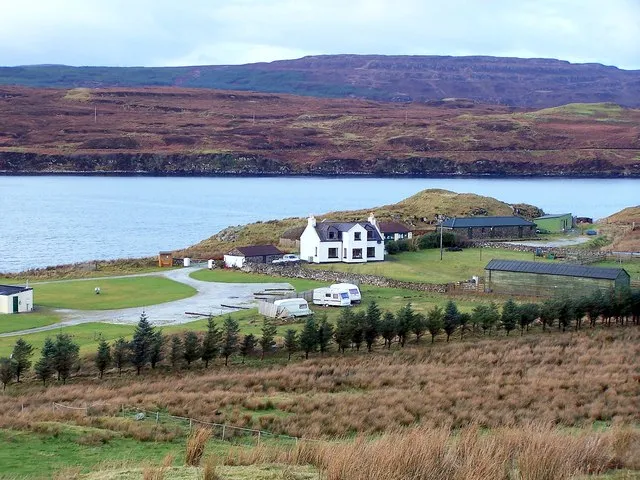
Photo: Richard Dorrell, CC BY-SA 2.0, via Wikimedia Commons
The pitch is a small climate, not a parking bay
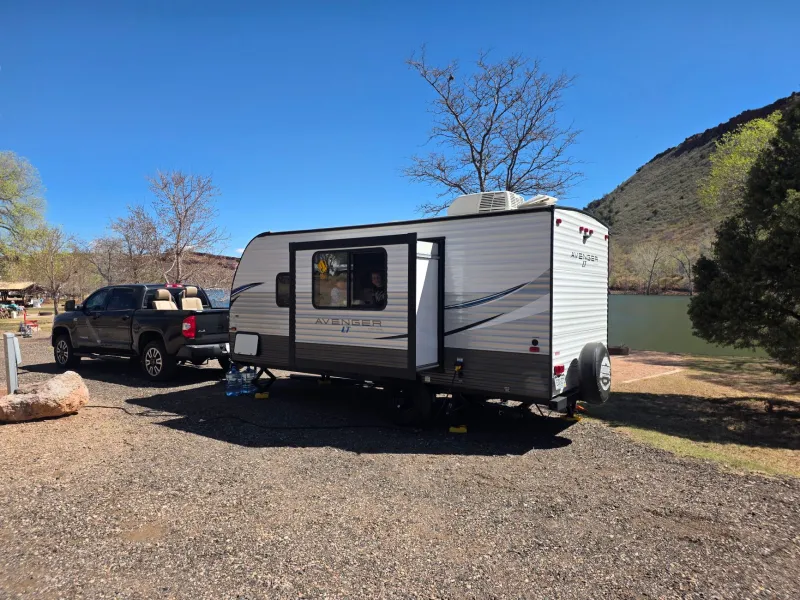
Most caravanning regrets start with a five-minute decision. You arrive, spot a gap that looks flat and handy, reverse in, level up, and only later notice that the awning is catching every gust, the grass is turning into a bog, or the facilities block door has been banging since half six. None of that is bad luck. It is information you could have read before the hitch came off.
The trick is to treat the pitch as a tiny climate of its own. Wind, water, shade, trees, neighbours and foot traffic all behave differently in different corners of the same field. A walk-round costs you five minutes. It can save you a week of small irritations.
Start with the wind, not the view
In the UK, the prevailing wind is often from the south-west, but that is only a starting point. A site can funnel wind between hedges, push it over a ridge, or calm it completely behind a bank of trees. Stand still for a minute and look at the clues: which way are the flag and the awning of the van opposite pointing? Are the long grasses bending in one direction? Is there a sheltered strip behind a hedge that still gets light?
A little shelter is lovely. Too much is a trap. You do not want to be jammed into a corner where the wind eddies around the van and makes the awning flap like a trapped seagull. You also do not want the most exposed pitch on the field if a front is coming through. Aim for a pitch with something solid upwind - a hedge, a wall, a bank - but leave room for air to move. If the forecast is lively, choose the calmer pitch even if the view is slightly less dramatic.
Look at the ground like it has already rained
Grass tells stories. A patch of darker, softer grass in an otherwise dry field might be where water sits after rain. A slight dip near the awning line will become a puddle. A hardstanding pitch can look tidy but still drain badly if it is at the bottom of a slope. Walk the pitch in a rough triangle and pay attention to how the ground feels underfoot.
Check where the water would go if it poured for an hour. Is there a low corner beside the pitch? Does the ground slope towards the van door? Are there tyre ruts from previous visitors? Those ruts are a useful warning. If the site has had a wet week, a grass pitch that looks fine from the road may be holding water just below the surface.
Also think about where you will walk. The shortest route to the water point or bins can become a muddy ribbon by day three. If you can, pitch so your main door and awning sit on the drier side, and keep the high-traffic line away from your seating area.
Follow the sun across the afternoon
A pitch that is lovely at 10am can be gloomy by 4pm. Look at the trees, hedges and buildings around the field and work out where the sun will travel. In summer, a pitch under a large tree may be welcome shade at lunchtime but cold and damp by evening. In spring and autumn, you may want every hour of sun you can get.
Think about the awning too. A west-facing awning can be glorious in the evening, but it can also turn into a greenhouse on a hot afternoon. An east-facing pitch gives you morning sun and afternoon shade. Neither is wrong - it depends on the season and how you use the van. If you are touring with children or grandchildren, a bit of afternoon shade over the seating area is often worth more than a wide-open view.
Trees are generous and messy
Trees give shelter, shade and atmosphere. They also drop sap, twigs, leaves and bird mess. Before you commit, look up. Is there a canopy directly over the pitch? Are there berries, seed pods or sticky leaves on the ground? Is there a line of droppings on the grass that suggests a favourite perch above?
A little leaf litter is part of the joy of touring. A van covered in sap and bird lime is not. If you have a choice, leave a metre or two between the van roof and the nearest branch. That also helps with wind movement and stops the awning rubbing against low limbs. And if the pitch is under a tree that is clearly popular with pigeons, take the hint.
Measure the walk to the facilities
Being close to the facilities block is convenient, especially with young children or if you are up in the night. But close is not always peaceful. Doors bang, hand dryers hum, taps run, and the chemical waste point can be busier than you expect at 8am.
A pitch one or two rows back is often the sweet spot: a short walk, but not directly on the thoroughfare. If you are near the bins, the water point or the site road, expect more foot traffic and more noise. If you want quiet, look for the corners that are slightly away from the main routes - the ones wardens often keep for themselves because they know which pitches feel calm after the day visitors have gone.
The five-minute field read
Before you reverse, run this quick check:
- Stand with your back to the wind and see which way it is actually blowing.
- Look for shelter upwind, but avoid a closed-in corner.
- Walk the pitch and feel for soft ground, dips and old tyre ruts.
- Check where water would run in a downpour.
- Look up: branches, sap, berries and bird lines.
- Work out where the sun will be at 4pm, not just now.
- Pace the route to the facilities, bins and water point.
- Listen for banging doors, road noise or a nearby play area.
- Check your awning space and the path you will walk most.
- Ask yourself where you would pitch if you were staying for a week, not a night.
It is not about finding a perfect pitch. There is no such thing. It is about choosing the compromises you can live with. Read the field first, and the rest of the holiday gets a lot easier.