The Weight We Carry: A Family Caravan Payload Reality Check

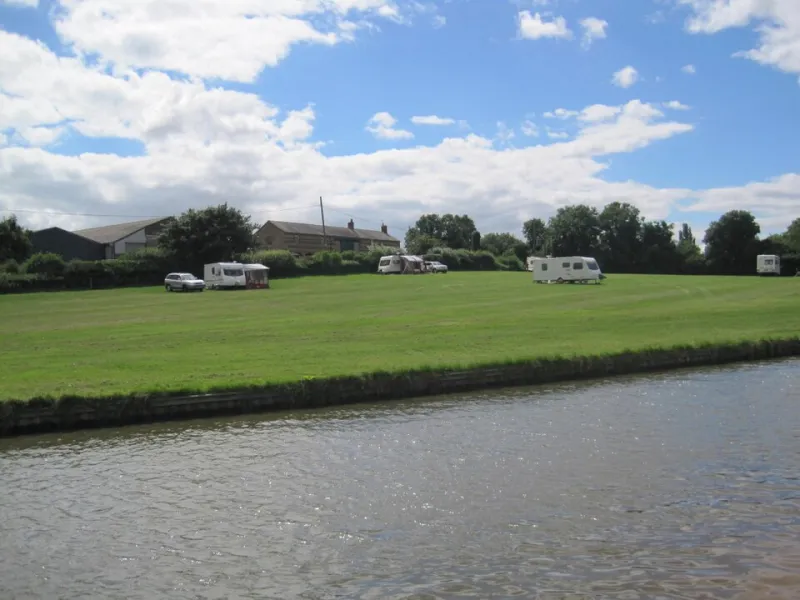
Photo: family loading caravan with awning and bikes UK campsite, via www.journeyofparenthood.com
Caravan payload is one of those numbers that looks generous in a brochure and feels tight by the second cup of tea. As the 2026 season winds down and thoughts turn to next spring, plenty of British families will discover that the van they bought for its layout is carrying a good deal more than they expected. The good news is that payload is manageable once you know where the weight actually goes.
The plate by the door is the only figure that counts
Every caravan has a manufacturer's plate, usually by the door or on the A-frame. It gives you the MTPLM, or maximum technically permissible laden mass, and the MIRO, or mass in running order. User payload is simply MTPLM minus MIRO. It is not a target; it is a ceiling.
The catch is that MIRO is not always the weight of your particular van. Factory options, dealer-fitted movers, air conditioning, an extra battery or solar panels can eat into payload before you load a single cushion. A motor mover, for instance, can add 30-40kg. That is a fifth of a small family van's payload gone before the first bag of crisps.
A typical British family outfit, weighed up
Here is a worked example based on a common four-berth single-axle tourer. We will call it 1,310kg MIRO and 1,460kg MTPLM, which gives 150kg of user payload. The tow car is a mid-size SUV with a 100kg noseweight limit and a 2,000kg towing limit. On paper, the family has 150kg for everything. In practice, the list fills up fast.
- Full awning, poles and groundsheet: 50kg
- Four camping chairs: 16kg
- Folding table: 4kg
- Portable BBQ and gas: 8kg
- Food and drink for four for a week: 26kg
- Clothes and shoes: 20kg
- Bedding and towels: 10kg
- Toys, games and beach gear: 8kg
- Two bikes and a rack: 38kg
That little lot comes to 180kg. It is 30kg over payload before gas cylinders, water or the children's scooters, and nobody has packed a hair dryer. The bikes on the rack may also affect noseweight, depending on where the rack sits.
Where the weight hides
The awning is usually the biggest single item. A full awning can weigh 40-60kg with poles and groundsheet. For a weekend, a porch awning or sun canopy can save 30kg or more. Food and drink are another quiet offender: 26kg for a week sounds reasonable until you realise most sites have a shop or a supermarket within ten minutes. Buy little and often.
Water is heavier than most people think. One litre weighs one kilogram, so a full 40-litre onboard tank is 40kg. Travel with the tank empty and fill up on site. Gas is similar: two 6kg bottles are around 15-20kg when full, and one may do for a short trip. Bikes and racks add up quickly, as do toys, inflatable rings, scooters and the just-in-case box of tools and spare bedding. Audit that box once a season and be ruthless.
Loading so the van behaves
Weight distribution matters as much as total weight. Put heavy items low and over the axle. Keep the rear of the van as light as possible, because weight behind the axle can make the outfit unstable. Secure everything so it cannot shift under braking. Check noseweight with a gauge and keep it within the car's towbar limit; a common guide is 5-7% of the laden caravan weight, but the car manufacturer's figure always wins. Check tyre pressures on car and caravan before you set off, and never exceed the gross train weight.
Weighbridges and the honest answer
If you are close to the limit, find a public weighbridge. Your local council website will list them. Ask the operator to weigh the caravan unhitched if it is safe to do so, and get axle weights if possible. Compare the figures with the plate. A trip to the weighbridge costs very little and settles family arguments about whether the awning really needs to come. It is also the only way to know what your van weighs with your actual kit in it.
The printable pre-trip payload check
- Check the plate: MTPLM, MIRO and tyre pressures.
- Empty the van and remove anything not needed.
- Weigh big items such as the awning, bikes and mover.
- Fill water at the site, not at home.
- Carry one gas bottle if you can manage.
- Put heavy items over the axle, not at the rear.
- Check noseweight with a gauge.
- Check the car's towbar and noseweight limits.
- Confirm the gross train weight.
- Use a public weighbridge if you are near the limit.
- Keep a leave-at-home list taped inside a cupboard.
The joy of caravanning is not in what you pack but what you leave behind. A lighter van tows better, uses less fuel and gives you less to worry about when the rain starts. Start with the plate, be honest about the awning, and the payload puzzle becomes a lot less puzzling.