Ten Grand, Then the Real Bill: What a Used Caravan Actually Costs in Year One
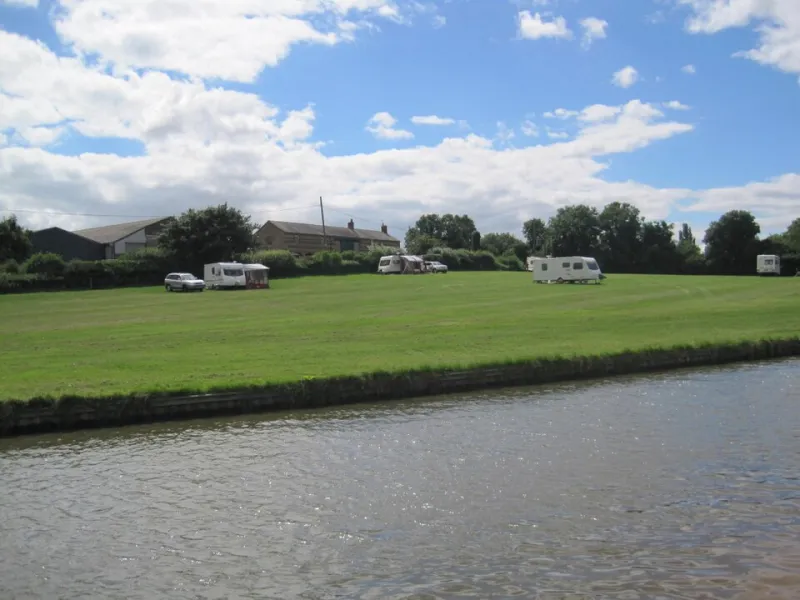
Photo: Les Hull , CC BY-SA 2.0, via Wikimedia Commons
Forecourt pricing has a way of making the van the whole story. It isn't. A tourer in the £8,000 to £12,000 bracket is usually somewhere between ten and eighteen years old, and older vans have older vans' problems — tyres that look fine and aren't, brakes that haven't been adjusted since the last owner's final trip, and a damp reading nobody has taken in three years.
So let's do the maths properly. Not to put you off. To stop the first spring surprise from ruining the whole idea.
What that money actually buys
At the bottom of the range you're looking at a well-used four or five berth, probably a mainstream British make, possibly with a soft floor in the front corners and a faint smell in the under-seat lockers. Around £10,000 to £12,000 gets you something newer, tidier, and more likely to come with a service history and a recent damp certificate.
The single most valuable thing in that bracket isn't the layout or the upholstery. It's paperwork. A van with annual servicing stamps and a damp report from the last twelve months is worth several hundred pounds more than an identical one without, whatever the seller says about it being 'dry as a bone'.
The table nobody puts in the advert
Here's a realistic first-year figure set for 2026, assuming you buy at £10,000 and nothing catastrophic turns up.
| Item | Typical cost | Notes |
|---|---|---|
| Asking price | £8,000–£12,000 | Private usually cheaper than trade |
| Independent pre-purchase inspection | £150–£300 | Non-negotiable on a private sale |
| CRiS / finance check | £20–£30 | Confirms who actually owns it |
| Full service by an approved engineer | £200–£350 | AWS or NCC approved |
| Tyres, if originals or aged | £300–£500 | Replace at 5–7 years regardless of tread |
| Brake shoes, dampers, bearings as needed | £150–£400 | Often missed on older vans |
| Hitchlock, wheel clamp, steady locks | £150–£300 | May reduce the insurance premium |
| Insurance | £200–£450 | Depends on storage and security |
| Breakdown and recovery cover | £80–£150 | Caravan-specific, not just car cover |
| Towbar and dedicated electrics | £500–£900 | The hidden cost of the tow car |
| Leisure battery | £80–£150 | Assume the old one is tired |
| Gas bottle, regulator, hose | £60–£120 | Check the bottle date |
| First trip: fuel, pitch fees, a few extras | £150–£300 | Budget for one shakedown weekend |
Add it up and you're looking at roughly £1,900 to £3,500 on top of the purchase price in the first twelve months. Storage, if you need it, is another £400 to £900 a year and sits outside that figure.
That's the honest version. Call it £12,000 all-in for a £10,000 caravan, before you've slept in it.
Checks worth paying for
A damp report from someone who isn't the seller is the single best £200 you'll spend. Ask for readings taken around the front and rear corners, under the windows, in the washroom and around every rooflight. Anything over 20 per cent on a meter needs explaining, and anything over 25 per cent in a wall or floor is a conversation you probably don't want to have.
Pair that with a look underneath. Spongy floor by the door, delamination on the side panels, cracks radiating from the awning rail, silicone smeared along a joint — those are all signs of a repair rather than a fix. Fresh sealant on a fourteen-year-old van is not automatically bad, but it does mean someone has been chasing water.
Run a CRiS check before money changes hands. It confirms the van isn't recorded as stolen, written off or still on finance, and that the chassis number matches the paperwork.
Where to save without cutting corners
Buy in November or December. Sellers are motivated, sites are empty, and you can inspect a van properly without a queue of people behind you.
Skip the motor mover if the van is light and you've got a second pair of hands — £600 to £1,200 is a lot of money for something you can live without on a sub-1,400kg tourer. Buy the awning second-hand; a used Isabella in good order will outlast a cheap new one. Fit your own hitchlock and clamp, which is a ten-minute job. Learn to check tyre pressures, wheel torque and battery water levels yourself.
Don't economise on tyres, brakes, the hitch or the gas system. Those four things are the entire difference between a hobby and an insurance claim.
Red flags that end the conversation
Walk away from a seller who won't let an engineer near it. Walk away from a van with no CRiS document and a story about a mate's mate. Walk away from a caravan that smells musty the moment the door opens — that's a smell you cannot get out of foam cushions. Walk away from mismatched windows or panels on one side, which usually means a repair nobody wants to talk about.
And be sceptical of 'just been resealed'. Sometimes it's genuine maintenance. Often it's the end of a long fight with a leak.
Budget for the boring bits
Insurance, storage and servicing are the three costs that quietly define caravan ownership, and they're the ones people forget when they're emotionally buying a van on a sunny Saturday. Get quotes for all three before you commit to a specific model — a slightly bigger van can add a surprising amount to the annual bill once weight and storage compound the figures.
Do the maths on paper, add a contingency of about £500, and then decide whether the caravan you're looking at is really the caravan you can afford to run. If the answer is yes, you'll enjoy it far more than the person who bought on the asking price alone.