When the Bollard Says No: Living Comfortably Within 16 Amps
The bollard is not a kitchen socket
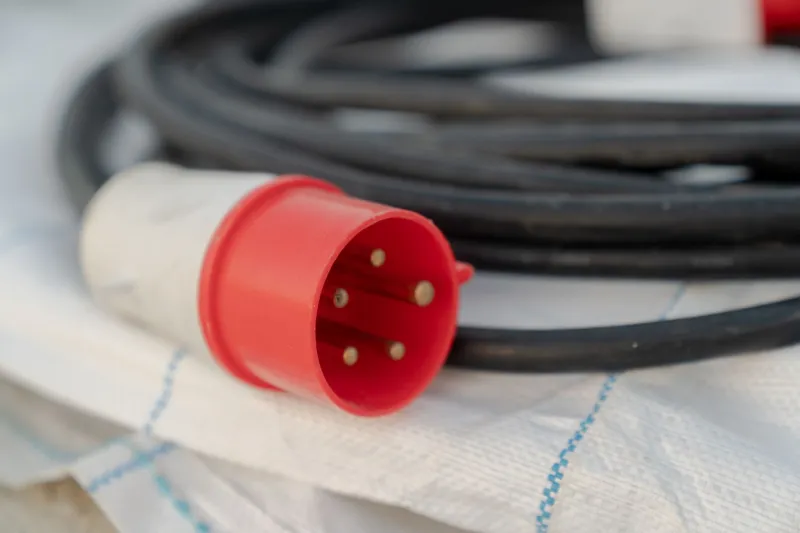
On a UK club site, the grey bollard with the blue flap feels like a promise. Plug in, the van is on mains, and normal life resumes. Then the kettle goes on while the heater is running and the bollard says no. A 16-amp hook-up is not a household supply in miniature. At 230 volts it gives you around 3,680 watts in theory, and rather less than that in comfortable practice. Treat it as a budget, not a bottomless socket.
Modern caravans make this easy to forget. We have combination microwaves, air fryers, induction hobs, electric heating, heated towel rails and lithium chargers that can pull serious current if asked. The bollard does not care about brochure language. It cares about amps.
The sums, in plain English
Amps are roughly watts divided by 230. So a 3,000-watt kettle is about 13 amps. A 2,000-watt heater is about 8.7 amps. Put them together and you are asking for nearly 22 amps from a 16-amp supply. The bollard trips, usually halfway through the first cup of tea.
These are rough working figures, but they are close enough for planning:
- Kettle: 2,200 to 3,000W, so 9.5 to 13A
- Air fryer: 1,400 to 2,000W, so 6 to 9A
- Single induction hob zone: 1,800 to 2,000W, so 8 to 9A
- Microwave: 800 to 1,000W cooking power, but often 1.3 to 1.5kW input, so 6 to 6.5A
- Caravan space heater: 1,000 to 2,000W, so 4.3 to 8.7A
- Water heater: around 1,000W, so 4.3A
- Hairdryer: 1,800 to 2,200W, so 8 to 9.5A
- Fridge on electric: 100 to 200W, so under 1A
- Battery charger: 20 to 40A at 12V, so roughly 1 to 2A at the bollard, plus losses
- Lights, TV, phone chargers and router: usually under 1A between them
A 16-amp supply can run a caravan quite happily. It cannot run all of that at once. That is the whole story.
The kettle tax
The simplest habit is to stop treating high-draw appliances as background noise. A kettle is not a small appliance. Neither is a heater. The classic trip is heating plus hot water plus kettle. The fix is not a bigger fuse. The fix is a sequence.
Before you boil the kettle, switch off the space heater and the water heater. Boil, pour, then put the heating back on. If you have a gas hob, use it for the kettle and save the electric for something else. On a cold morning that one change can be the difference between a calm breakfast and a wet walk to the site office.
What a 16-amp supply will and will not do
It will run lights, fridge, TV, phone chargers, a modest battery charger and one heating appliance. It will usually run a microwave or an air fryer, provided the heater is off or turned down. It will run a single induction zone if you are not also boiling a kettle or drying hair.
It will not run a 2kW heater, a 3kW kettle, a water heater and a hairdryer together. It will not run two induction zones plus an air fryer plus heating. It will not reliably run a domestic extension lead daisy-chained off a caravan socket, and it should never be asked to charge an electric car. That last point is a campsite rule issue as much as an electrical one. Check the site rules before plugging in anything unusual.
Cold mornings without the trip
Prioritise warmth first. Put the heating on at a sensible setting, keep the van door closed and let the van warm through. Leave the water heater off until after breakfast. If you need hot water for washing, heat it after the kettle has done its work, not before. Use gas for the kettle if you have that option. If the site has decent showers, use them and save your own hot water for washing up later.
For retirees touring through the colder shoulder months, an electric blanket or a low-wattage heated throw can be a smarter use of amps than blasting a 2kW heater first thing. Warm the person, not the whole van, then bring the space heating up gently.
Wet evenings and everyday cooking
A wet evening is when the van becomes a kitchen, drying room and living room at once. That is exactly when the load adds up. Use one big cooking appliance at a time. If the air fryer is on, leave the induction hob off. If the microwave is running, do not start the kettle. Put the water heater on after the washing up, not during it.
A dehumidifier is usually modest, but check the label. A heated towel rail is not modest. An electric fan heater in the awning is asking for trouble unless the site allows it and the supply is dedicated. Keep the hook-up cable fully uncoiled, use the proper blue plug and socket, and keep connections out of standing water. Do not run domestic extension leads through a window and do not bypass the caravan consumer unit.
A simple priority plan
- Heat first, water second. Run the space heater, keep the water heater off until you need it.
- One big load at a time. Kettle, air fryer, induction hob, hairdryer: choose one.
- Switch off before you switch on. Heater off before kettle. Water heater off before air fryer.
- Charge lithium when the van is quiet. Midday or overnight at a lower current is kinder than charging while cooking.
- Know your biggest draws. If the bollard trips, subtract the largest appliance first, not the smallest.
- Do not reset endlessly. If it trips repeatedly, stop, unplug and ask the site. A warm plug or a burning smell is a stop signal, not a challenge.
The 16-amp reality check is not about going without. It is about using the supply in the order it was designed for. A caravan on 16 amps is perfectly comfortable. It just needs a bit of sequencing, a little restraint and a healthy respect for the humble kettle.